

Security Dogma is reader-supported. When you buy through links on this page, we may earn a commission at no extra cost to you. As an Amazon Associate I earn from qualifying purchases. Learn more
Ask five private investigators what they charge and you will hear five answers, and every one of them will start with “it depends.” That is not evasion. It is how the work is priced: by agreement, by the kind of work, and sometimes by who is paying. This guide puts real published numbers next to the reasons they move, so you walk into your first conversation knowing what is normal and what is a warning sign.
How this guide was built. The figures below come from published surveys, marketplace data and investigator websites, with the source and date shown for each. They are not quotes and not our own rates, and we are not selling you an investigator. I worked as a licensed private investigator in California, mostly on fraud and surveillance cases, and that experience shapes the advice. Security Dogma does not refer investigators. All images on this page, including the top image, are illustrations, not photos of real investigations.
Quick answer
- Hourly: published U.S. rates mostly run $50 to $250 an hour. An April 2026 survey of 32 firms in the 10 largest metro areas found an average of $132 and a median of $130.
- Field work costs more: one Washington firm lists surveillance and fieldwork at $95 to $350 an hour and office research at $95 to $200.
- Flat fees: routine work such as background checks and locates is often quoted as a flat fee, from a few hundred dollars into the low thousands in the sources below.
- Retainer: expect to pay upfront. Published retainers run from about $1,000 to $5,000 and are applied to your bill.
- Extras: mileage, travel, database fees and report preparation are often billed on top. Ask.
- Before you pay: check the license and get the agreement in writing.
What private investigators charge: five published sources
Each row is a different source with a different method, so the numbers do not match. Rates were checked on October 22, 2026. The firms and marketplaces that publish these figures have a commercial interest, and we found no government or independent source for what investigators bill.
| Source | Published or updated | Hourly rate | Other figures |
|---|---|---|---|
| Michael & Associates survey of 32 firms in the 10 largest metro areas | Published May 5, 2026 (survey run April 2026) | Average $132, median $130, range $25 to $250 | Retainer about $1,500 or more; report preparation $125 to $550 |
| Bark.com guide | 2026 guide (no date shown) | Average $68 to $125; up to $400 for specialized or complex work | Surveillance about $95 an hour, or $800 to $1,100 for an 8-hour day |
| Whitesell Investigative Services | July 15, 2026 | National guides cited at $50 to $200; many cases $75 to $150 | Flat fees may apply to background checks |
| 24 & 7 Security & Investigations (Houston, TX) | Last modified October 24, 2025 | $50 to $250; median about $150 | Retainers $1,000 to $5,000 on long cases |
| Washington State Investigators | Page metadata shows October 2, 2026 | Fieldwork and surveillance $95 to $350; office research $95 to $200 | Flat-rate services $195 to $2,500 |
For context, the Bureau of Labor Statistics reports that private detectives and investigators earned a median of $51,220 a year, or $24.62 an hour, in May 2025. That is what investigators are paid as workers, not what they bill. A billing rate generally has to cover licensing, insurance, vehicles, database subscriptions and time that cannot be billed, which is one reason the two numbers sit so far apart. For what investigators earn, see our private investigator salary guide.
Flat fees by type of work
Routine, well-defined work is more likely to be quoted as a flat fee. Surveillance and open-ended work is usually billed by the hour or the day.
| Service | April 2026 firm survey | Bark.com (2026) |
|---|---|---|
| Criminal history search | $250 | Average $315 (typical $100 to $500) |
| Background investigation | $250 to $800 | Average $500 (typical $200 to $900) |
| Locating a person | $775 to $875 | Tracing a missing person: average $1,000 (typical $700 to $1,200) |
| Asset search | Non-financial $525; financial $1,300; brokerage accounts $1,550 | Asset discovery: average $1,300 (typical $1,000 to $1,600) |
| Surveillance | Billed hourly | $800 to $1,100 for an 8-hour day; undercover average $1,100 a day (typical $600 to $1,600) |
| Written report | $125 to $550 | Not listed |
Do rates change by city?
They do, but the sample is small. The April 2026 survey averaged hourly rates by metro area, with roughly three firms per city, so use these as a rough guide only.
| Metro area | Average hourly rate |
|---|---|
| Chicago | $153 |
| New York | $150 |
| Washington, DC | $150 |
| Phoenix | $135 |
| Philadelphia | $130 |
| Los Angeles | $128 |
| Atlanta | $123 |
| Houston | $120 |
| Miami | $117 |
| Dallas | $95 |
FROM THE FIELD
Here is what the rate tables cannot show you. When I was a licensed investigator in California, working mostly fraud and surveillance cases, I never had one price tag. What I charged came out of an agreement with each client.
And the same kind of work did not always cost the same. Insurance work and private work were not billed alike. When I took private, non-insurance investigations, I charged more.
That is my own practice, not a rule for every investigator. But it is why I tell people to treat any published rate as the start of a conversation, not the end of one. The number matters less than what the agreement says it covers.
What drives the cost
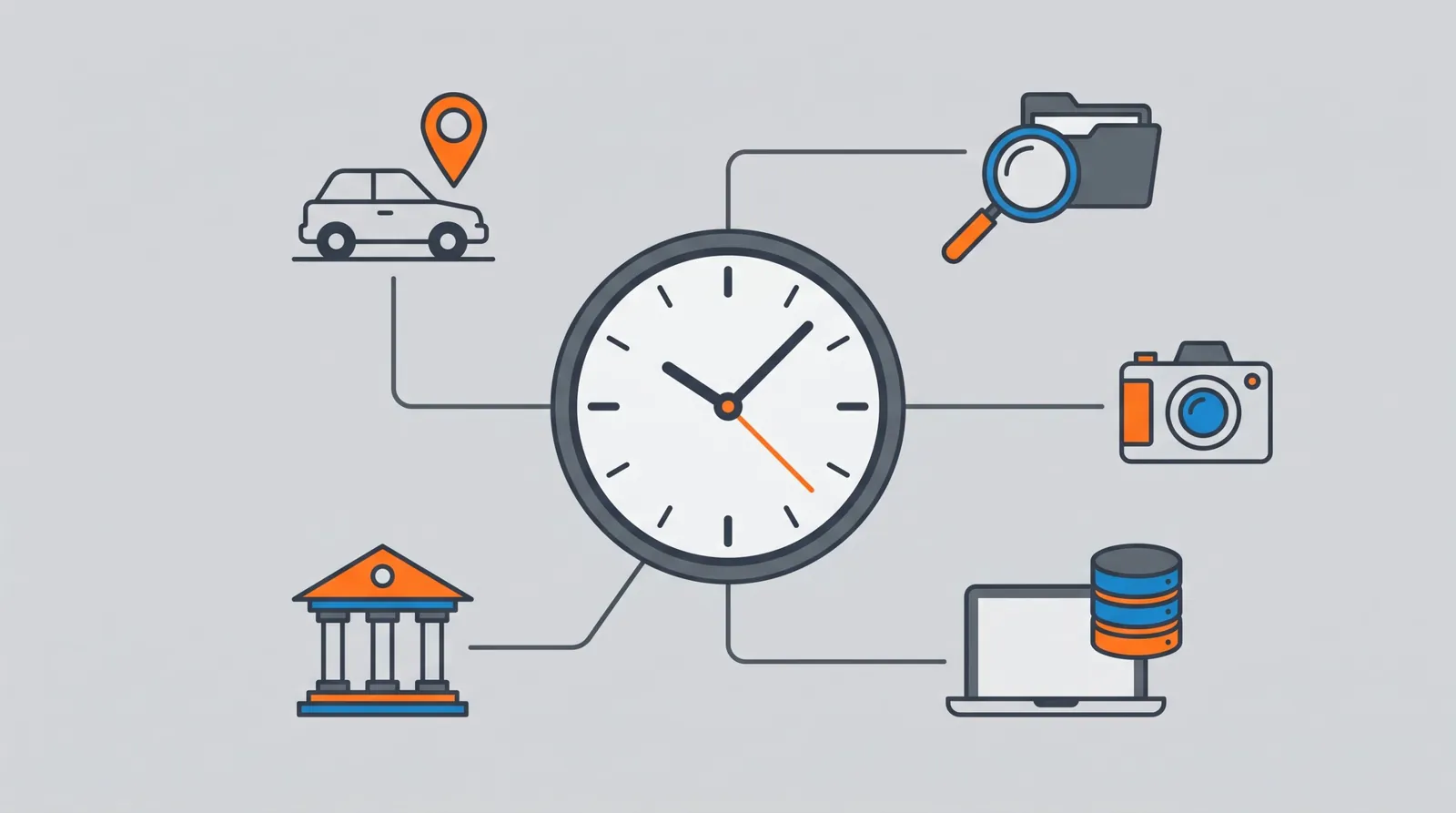
- Type of work. Fieldwork and surveillance are priced higher than desk research. One firm lists fieldwork at $95 to $350 an hour and office research at $95 to $200.
- Hours and days. Surveillance is the clearest example. The investigator’s time is the product, and a case that takes three days costs more than one that takes one.
- Experience and credentials. Sources say rates vary with the investigator’s experience and the complexity of the case.
- Location. The April 2026 survey shows averages from $95 to $153 an hour across ten metro areas.
- Number of investigators. A case that needs two people costs more than a case that needs one.
- Expenses. Mileage, travel, database access and equipment are commonly billed on top of the rate.
- Reports and testimony. Report preparation can be a separate charge ($125 to $550 in the survey), and the survey advises asking about fees if the investigator must testify.
- Who is paying. As I said above, insurance work and private work were not billed the same in my practice.
How billing works
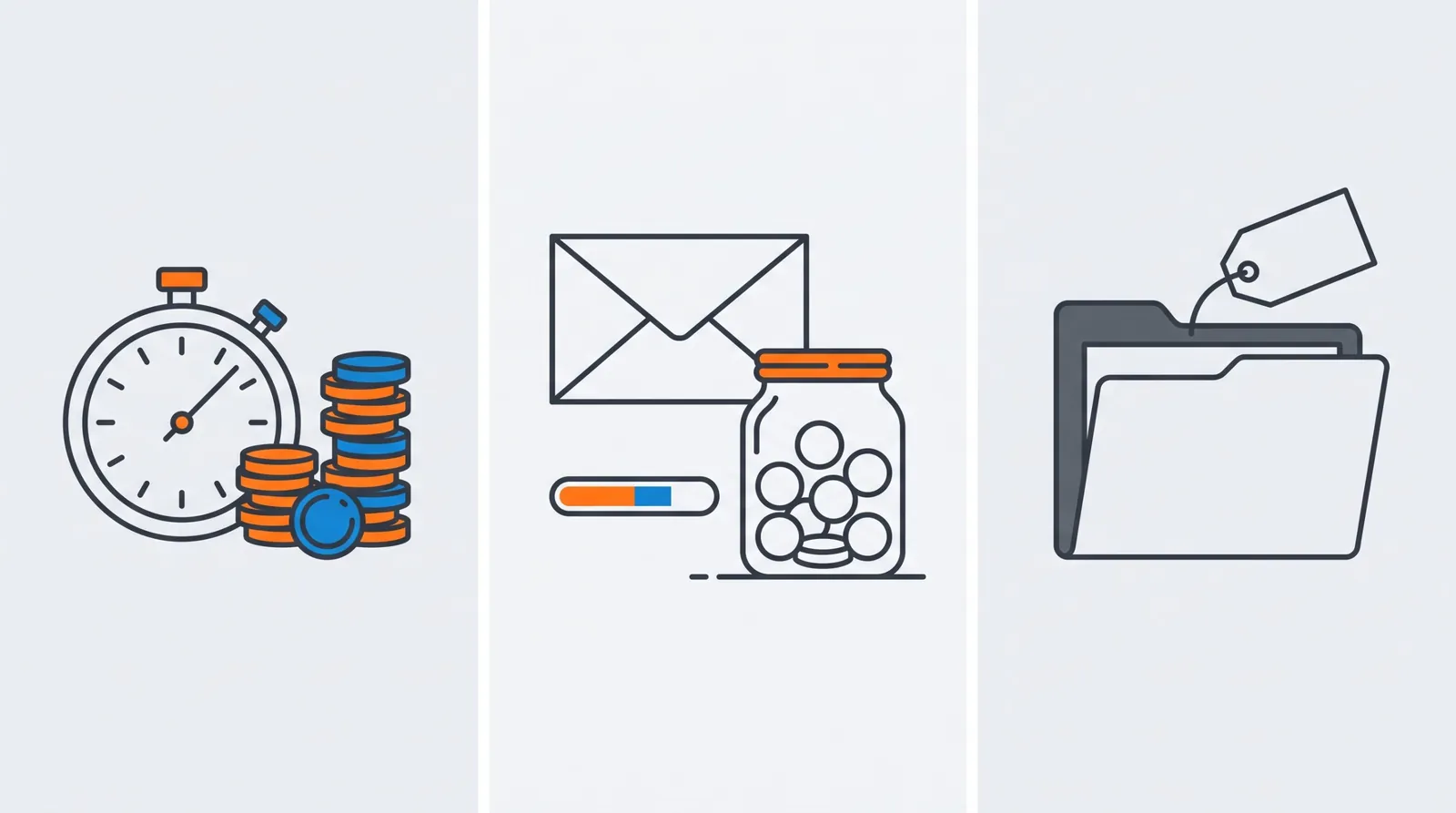
- Hourly. You pay for time worked at an agreed rate, typically for surveillance, interviews and research.
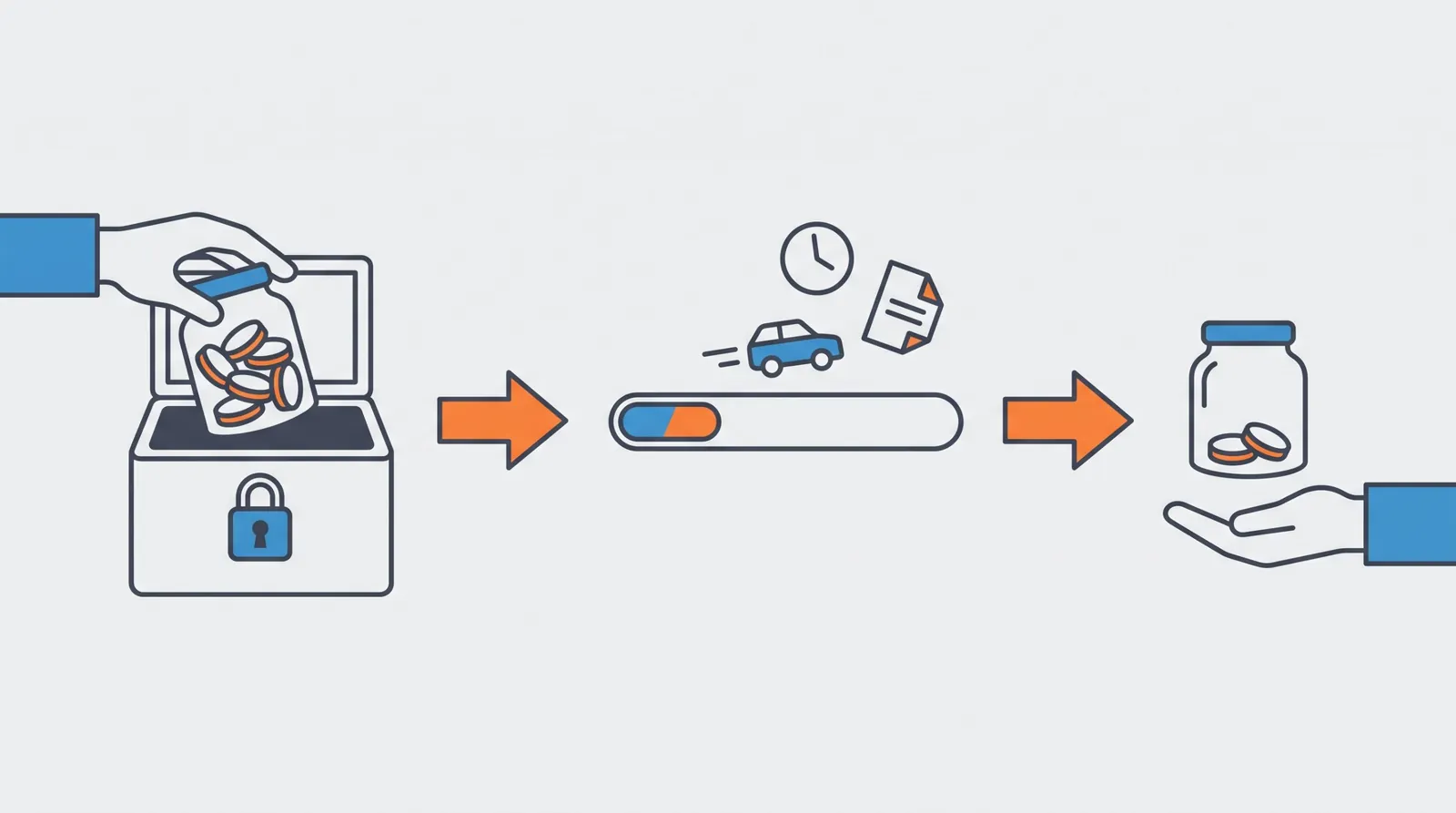
- Retainer. You pay an amount upfront, and the investigator bills against it. Ask whether unused money is refunded, and put the answer in the agreement.
- Flat fee. One price for a defined job, such as a background investigation. Confirm what is included.
- Day rate. Some firms price surveillance by the day. Bark.com cites $800 to $1,100 for an 8-hour day.
A worked example: how a bill adds up
Illustrative scenario: not a report of a real event.
Hypothetical assumptions, not observed data: a client hires an investigator for three days of surveillance at $125 an hour, six hours a day. Mileage and parking are assumed at $100 in total. A written report is assumed at $300. The client pays a $1,500 retainer.
- Time: 3 days × 6 hours = 18 hours × $125 = $2,250
- Expenses: $100
- Report: $300
- Total: $2,650
- Balance after the $1,500 retainer: $1,150
If the subject does not move on day two, the hours may drop. If the investigator needs a second person, they rise. That is why you should ask for an estimate, an hourly cap and a rule that no extra spending happens without your approval.

Retainers
Published retainers range from about $1,000 to $5,000 on longer cases, and a 2026 survey found about $1,500 or more depending on scope. Washington State Investigators says its fees are prepaid and applied to authorized work and expenses under a written agreement. The terms for refunds sit in the agreement, so read that section before you sign.
Your rights: a California example
Rules differ by state, and California is the example I know best. According to the Bureau of Security and Investigative Services, Business and Professions Code section 7524, effective July 1, 2025, requires a licensed investigator’s services to be covered by a written agreement. It must include the approximate start and completion dates, the scope of work including whether a written report will be provided and how, and the agreed fees with a breakdown of how they are assessed. Changes must also be in writing.
BSIS guidance revised in July 2020 said the Bureau has no jurisdiction over what an investigator charges, though licensees must provide a fee schedule or a reasonable explanation if a client questions a bill. Check the Bureau’s current guidance.
Elsewhere, ask for the same items in writing. The Bureau of Labor Statistics says most states require a license, so check your own state agency. Our private investigator licensing guides cover state requirements.
How to check a license
- Find your state’s official licensing agency, usually a state .gov site, and use its license search. Our state-by-state licensing guides explain the requirements.
- In California, use the Department of Consumer Affairs license search at search.dca.ca.gov.
- Match the investigator’s name, business and license number to the official record, and to the agreement.
- In California, BSIS also lets you report unlicensed activity.
What the law limits
A good investigator’s price includes working inside the law. Be wary of anyone who promises records they should not be able to get.
- Pretexting. Federal law makes it a crime to obtain confidential phone records by lying to the carrier (18 U.S.C. § 1039). The FTC says the Gramm-Leach-Bliley Act outlaws pretexting for financial information, and it has warned that knowingly obtaining pretexted information is illegal as well.
- Trackers. State laws differ. The National Conference of State Legislatures reports that at least 26 states and D.C. have addressed tracking people without their knowledge. California’s Penal Code § 637.7 generally prohibits using an electronic tracking device to determine someone’s location or movement, with an exception where the vehicle’s registered owner consents.
- Entering property. In California, BSIS says an investigator cannot enter a private building without the owner’s consent.
- Recording. Recording laws vary by state. See the Reporters Committee recording guide, and our voice recorder guide.
Red flags in a quote
- No written agreement, or an agreement that does not say what you are paying for.
- A fee with no breakdown, or expenses with no cap or approval step.
- A promise to get phone, bank or location records by any method you would not want explained in court.
- A guaranteed result. Nobody can promise what a subject will do.
- A license that you cannot match to the official record, where your state requires one.
- Pressure to pay a large amount before the scope is agreed.
Ways to keep the bill down
- Write down the goal. A clear scope means fewer hours.
- Gather your own paperwork. Dates, receipts, messages and contracts saved in one place mean less time you pay the investigator to find them. See the organizers below.
- Ask for an estimate and a cap. Agree in writing on when the investigator must check in before spending more.
- Ask what is billed on top. Mileage, database fees, travel and report preparation.
- Do not play investigator yourself. Do not buy trackers or spy tools. Illegal evidence can hurt your case.
Organize your records before you call
You are not buying surveillance gear. You are cutting the hours you pay for. A tidy file and a safe place for originals are the two things most worth having.
Expanding accordion file, 13 pockets
Letter size · labeled pockets · $7.99 seen October 22, 2026
A low-cost way to sort receipts, correspondence, contracts and dates into one place before you hire anyone. It showed 2K+ bought in the past month.
Watch out for: It is a paper organizer, not a security product. Keep sensitive papers somewhere you control.
See current price →DocSafe fireproof document box with lock
Fire-resistant box · lock · $28.20 seen October 22, 2026
A lockable box for originals you do not want to lose, such as agreements and ID copies. It showed 2K+ bought in the past month.
Watch out for: The fire rating is the maker’s claim, and we did not test it. Check the listing for the rating and size.
See current price →Books: understand the work behind the bill
We did not find a book written for people who hire investigators. These two are for readers who want to understand the work behind the bill. Both are older, so use them for background, not for current rates or law.
The Complete Idiot’s Guide to Private Investigating, Third Edition
By Steven Kerry Brown · published March 5, 2013 · $24.99 seen October 22, 2026 · 4.6 stars (651 ratings)
A general introduction to how private investigating works, useful if you want to understand the work behind the bill.
Watch out for: It was published in 2013, so laws, tools and costs in it may be out of date. It is written for people learning investigating, not for people hiring one.
See current price →How to Become a Private Investigator: Break Into the Industry With Little or No Experience
By Kurt Breetvelt · published August 31, 2017 · $8.95 seen October 22, 2026 · 4.4 stars (196 ratings)
A short, low-priced look at how people enter the profession, which helps explain what experience and licensing sit behind an investigator’s rate.
Watch out for: It was published in 2017 and is written for people entering the field. Licensing rules differ by state, so check your state agency.
See current price →Frequently asked questions
How much does a private investigator cost per hour?
Published U.S. rates mostly fall between $50 and $250 an hour. An April 2026 survey of 32 firms in the ten largest metro areas found an average of $132 and a median of $130, and one Washington firm lists surveillance and fieldwork at $95 to $350 an hour. These are published figures, not quotes. When you get a real quote, ask what the hourly rate includes, such as equipment, reporting and travel time, because that changes what you actually pay.
How much does a day of surveillance cost?
Bark.com puts surveillance at about $95 an hour, or $800 to $1,100 for an 8-hour day, and says a standard case such as infidelity or custody typically runs $800 to $1,200 a day. As rough arithmetic of our own, eight hours at the survey’s $132 average would be about $1,056 before expenses. Your total depends on how many days the work takes, and nobody can promise that in advance.
How much does a private investigator charge for an infidelity or custody case?
We did not find a reliable per-case figure. These cases are usually billed by the hour or the day, so the total depends on the hours worked, the number of investigators and the expenses. The worked example above shows how the pieces add up. Ask for a written estimate, an hourly or daily cap, and a rule that the investigator checks with you before going past it.
How much does a background check cost?
In an April 2026 survey of 32 firms, background investigations ran $250 to $800 and a criminal history search about $250. Bark.com lists a general background check at an average of $500 (typical $200 to $900). The range is wide because scope varies. Ask what records are searched, which jurisdictions are covered, and whether a written report is included.
How much does it cost to locate a person or search for assets?
In the April 2026 survey, locating a person ran $775 to $875, a non-financial asset search about $525, a financial asset search about $1,300 and a brokerage account search about $1,550. Bark.com lists tracing a missing person at an average of $1,000 (typical $700 to $1,200) and asset discovery at an average of $1,300 (typical $1,000 to $1,600). Treat these as starting points, since each firm defines the work differently.
What is a retainer, and do I get unused money back?
A retainer is an upfront payment held against your bill. Published retainers range from about $1,000 to $5,000 depending on the case, and the April 2026 survey found about $1,500 or more. Washington State Investigators says its fees are prepaid and applied to authorized work and expenses under a written agreement. Whether unused money is refunded is a term of your agreement, so confirm it in writing before you pay.
What happens when the retainer runs out?
That is also a matter for your agreement, so ask before you sign. A sensible term is that the investigator tells you before the retainer is used up and does not keep working or spending until you approve the next step. If a firm will not put that in writing, treat it as a warning sign.
Why do investigators bill expenses on top of their rate?
Mileage, travel, database access fees, specialized equipment and report preparation are commonly billed separately, according to the firms we reviewed. Washington State Investigators lists travel, mileage, specialized tools and records retrieval as expense categories. Ask which expenses are billed, at what rate, and whether you must approve them first.
Do private investigators charge more in big cities?
In the April 2026 survey, averages ran from $153 an hour in Chicago to $95 in Dallas, with New York and Washington, DC at $150. The sample is small, about three firms per city, so treat the city numbers as a rough guide rather than a price list.
Why do published rates differ so much from site to site?
The sources use different methods. One is a survey of 32 firms, one is a marketplace guide, and three are individual firms describing their own pricing. They also describe different work, from desk research to field surveillance. That is why the table above shows each source and date rather than one average. Use it to judge whether a quote is in a normal range, not to predict an exact price.
Can I negotiate the rate or ask for a flat fee?
You can ask. Flat fees are most common for well-defined work such as background checks and locates, and surveillance is usually hourly or daily. In my own California practice, what I charged came from an agreement with each client, so a clear scope and a straight conversation mattered more than a price list. Whatever you agree on should go in a written agreement.
Do investigators bill insurance work and private work differently?
In my own practice they were not billed alike, and I charged more for private, non-insurance investigations. That is my experience in California, not a rule for every investigator, and I will not put a number on it. It is another reason published rates are only a starting point.
Will I get a written report, and does it cost extra?
Sometimes it costs extra. The April 2026 survey lists report preparation at $125 to $550. In California, a written report is required only if the client and the investigator agree to it and the agreement documents it, according to BSIS. Ask up front whether you will get a written report, in what format, and whether it is included in the price.
Is a private investigator worth the cost?
It depends on what you need and what is at stake. An investigator is most useful when the work needs skills or access you do not have, such as surveillance, locating a person, or documenting a claim in a form others can rely on. For simple public-records questions you may be able to start yourself. Compare the estimate to the value of the answer, and ask the investigator what outcome is realistic. Nobody can promise a result.
Is it legal to hire a private investigator?
Generally yes. Hiring a licensed investigator for lawful work, such as documenting a fraud claim, locating a witness or checking a background, is common. What matters is the method. Federal law makes it a crime to obtain confidential phone records by pretending to be someone else, and the FTC says knowingly obtaining information gathered by pretexting is illegal as well. This is general information, not legal advice.
Should I talk to a lawyer before I hire a private investigator?
If the work relates to a court case, a divorce, a custody dispute or a claim, it is worth speaking to your attorney first. Rules on evidence, and on who should engage the investigator, vary by state. This guide is general information, not legal advice.
How do I check that a private investigator is licensed?
Use your state’s official licensing agency. In California, the Department of Consumer Affairs license search at search.dca.ca.gov covers investigators licensed by the Bureau of Security and Investigative Services. Match the name, business and license number on the agreement to the official record. California also requires advertising to show the license number as it appears in Bureau records, according to BSIS.
Do all states require private investigators to be licensed?
The Bureau of Labor Statistics says most states require a license, so rules differ by state. Check your state agency before you hire, and do not assume a license is required or optional where you live. If your state does not license investigators, ask for references and a clear written agreement.
How do I find a private investigator near me?
We do not recommend or refer investigators. A sensible start is your state licensing agency’s license search, which confirms who is licensed. Then ask each candidate for a written estimate, the scope of work, how they bill expenses and what the agreement says about reports and refunds. Compare at least two before you pay a retainer.
What should a private investigator’s written agreement include?
California is a useful example. Under Business and Professions Code section 7524, which took effect July 1, 2025, a licensed investigator’s services must be in a written agreement covering the approximate start and completion dates, the scope of work including whether a written report will be provided, and the agreed fees with a breakdown of how they are assessed. Changes must also be in writing. Other states differ, but those are good items to ask for anywhere.
Can a private investigator get phone records, bank records or track a car?
Not by deception. Federal law (18 U.S.C. section 1039) bars obtaining confidential phone records by pretexting, and the FTC says the Gramm-Leach-Bliley Act outlaws pretexting for financial information. State tracking laws differ: California’s Penal Code section 637.7 generally prohibits using an electronic tracking device to determine someone’s location or movement, with an exception where the vehicle’s registered owner consents. Ask any investigator how they obtain information.
What can I do if I think my investigator is unlicensed or overbilling?
Start with the written agreement and ask for an itemized explanation of the charges. In California, BSIS lets you report unlicensed activity and file a complaint, though its 2020 guidance said it has no jurisdiction over what an investigator charges. In other states, contact the state licensing agency. If a lot of money is involved, speak to an attorney.
Can I do the research myself instead?
Some tasks, such as organizing your own documents and checking public records, you can do yourself, which also cuts the hours you pay for. Do not try to get phone, bank or location records by deception, and do not put a tracker on a vehicle you do not own. The law on these differs by state, and illegal evidence can hurt your case.
Does Security Dogma refer private investigators?
No. We do not refer investigators, take referral fees or handle inquiries. This guide is information only.
How can I keep the cost down?
Define the goal and the scope in writing, gather your own documents and dates first, and ask for hourly caps and approval before extra expenses. Ask whether a flat fee is possible for defined work. Do not buy tracking or spying devices yourself. Illegal evidence can hurt your case and expose you to liability.
Sources
- Michael & Associates, How Much Does a Private Investigator Cost in 2026? (survey of 32 firms, April 2026; published May 5, 2026)
- Bark.com, Private Investigator Costs 2026
- Whitesell Investigative Services, How Much Does a Private Investigator Cost and Is It Worth It? (July 15, 2026)
- 24 & 7 Security & Investigations, How Much Does a Private Investigator Cost? (modified October 24, 2025)
- Washington State Investigators, Service fees
- U.S. Bureau of Labor Statistics, Private Detectives and Investigators (May 2025 data)
- California BSIS, New requirements for private investigators, FAQ (June 2025)
- California BSIS, Private investigator FAQ (revised July 2020)
- California Department of Consumer Affairs, License search
- FTC, Information Brokers Settle FTC Charges (March 8, 2002)
- Cornell Law School, 18 U.S.C. § 1039
- National Conference of State Legislatures, Private use of location tracking devices: state statutes (last updated September 13, 2022)
- California Penal Code § 637.7, text as summarized on California Public Law; confirm the current version on the official California legislature site
- Amazon listings checked October 22, 2026 for the products and prices shown
Rates, prices and legal citations checked October 22, 2026. They change, so confirm with your own quote and your state agency.
Legal notice for U.S. readers
This guide is written for readers in the United States.
- General information only. This page is not legal advice, does not create an attorney-client relationship, and is not a quote from any investigator. Speak to a licensed attorney about your situation.
- Figures are published estimates. Rates come from third-party surveys, marketplaces and investigator websites. They may be out of date, may reflect marketing, and may not match what you are quoted.
- Rules differ by state. Licensing, contracts, fees, tracking, recording and records laws vary. California is used as an example only. Check your state’s official sources.
- We do not refer investigators. Security Dogma does not recommend, vet or take payment from any investigator, and we do not handle inquiries.
- Do not use illegal methods. Do not ask anyone to obtain records by deception, and do not track, record or spy on someone in ways your state forbids.
- Your safety comes first. If you are in danger or fear for your safety, contact local law enforcement. In the U.S., the National Domestic Violence Hotline is 1-800-799-7233.
- Products. We earn a commission on qualifying Amazon purchases. We did not test the products listed, and prices and availability change.
Full terms are in our Terms and Conditions. See how we check facts in our Editorial Policy and how we earn money in our affiliate disclosure.
Next steps
- → How to become a private investigator (if you want to see what investigators go through)
- → Private investigator equipment list: 20 essentials
- → Incident report template